
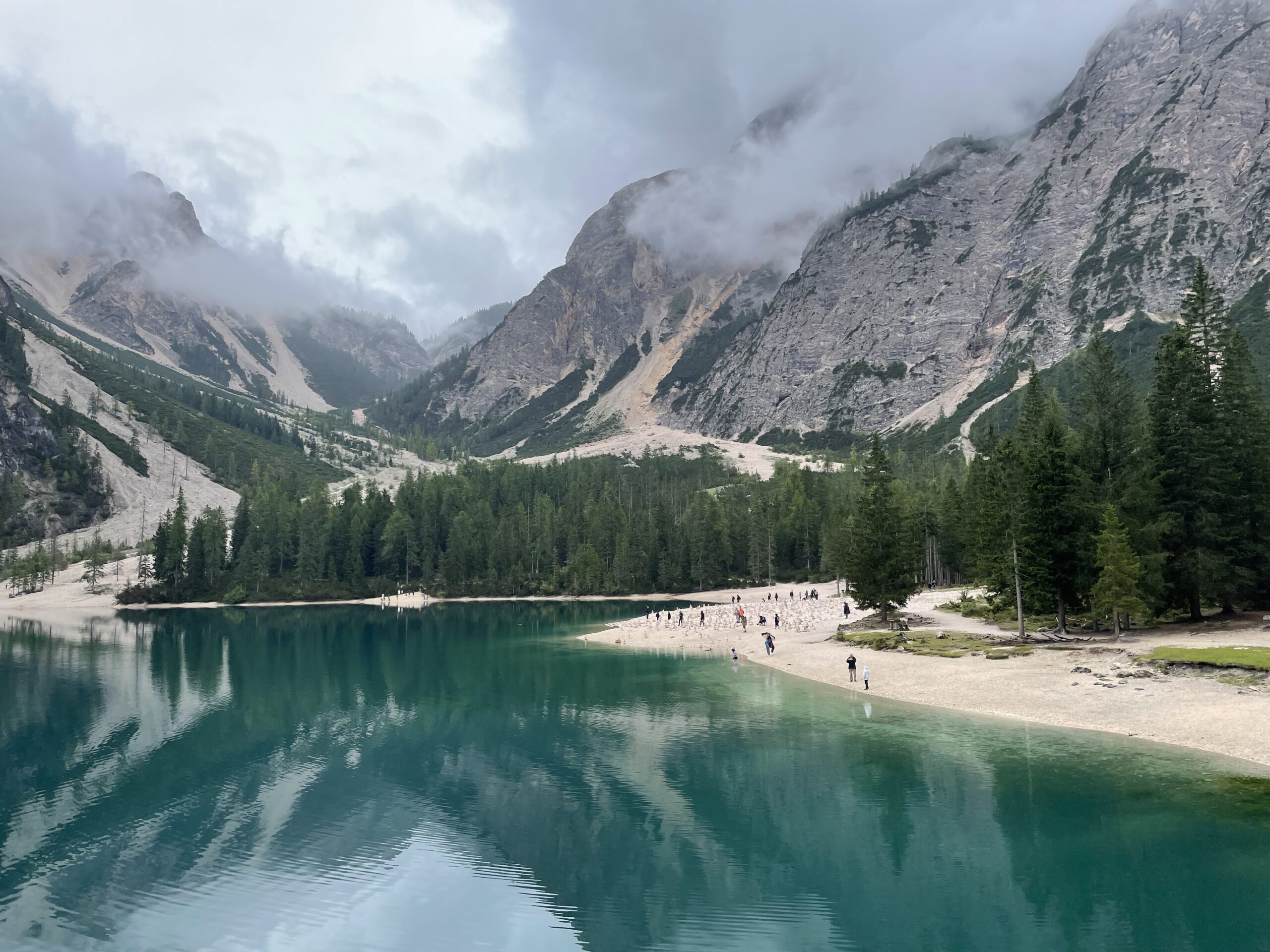
A feeling you can choose. Even when the world is not peaceful.
Last week, the world’s explosions echoed through our community work. What happens outside always finds its way inside. A good process cannot ignore this.
So with several groups, we went deeper into peace.
One of the ways to reach the depths of a complex idea inside a community is the intuitive dyad conversation. You work in pairs. Ideally, you choose someone who seems to see the world from a very different place than you.
One person asks the question: Tell me, what does peace mean to you?
The other answers. For five minutes. The questioner does nothing but listen. Deeply. Completely. And when the speaker falls silent, the questioner says only this: Thank you… and what else does peace mean to you?
After five minutes, they switch roles. Then switch again. Four rounds of five minutes. Twenty minutes with one single question.
What happens is remarkable. In the first round, people give their prepared answers. The familiar explanations. The things they’ve heard themselves say before.
Then silence arrives. And in that silence, filled with the other person’s attention, new thoughts begin to form. Thoughts they didn’t know they had. I have witnessed this many times: the experience of a grown adult thinking genuinely new thoughts, perhaps for the first time in years.
It is one of the most beautiful things I know.
Here is some of what emerged when we sat with the question of peace.
Peace is a feeling. Not a concept. Not a political arrangement. Not the absence of war. A feeling.
And here is the part that surprises people: you can summon it. Deliberately. Consciously. Regardless of what surrounds you. I have watched rooms full of people do this. Almost everyone can, once they try.
But there is a difference between a child’s peace and an adult’s peace.
A child’s peace comes from harmony between the inner world and the outer world. Lying in the grass with a blade between your lips. Watching clouds. Stroking an animal. Floating in water. When the outside and the inside move together, the child is at peace. Every sense open. Every boundary soft.
An adult’s peace is autonomous. It does not require the world to cooperate. But the capacity for it varies enormously from person to person. Some adults can find peace in the middle of chaos. Others cannot find it even in perfect silence.
Peace is not comfort. Peace is not calm.
This is where most people get it wrong.
If the world around you holds far more movement, more conflict, more intensity than you are able to embrace, you feel unrest. This is obvious. Too much chaos, not enough capacity.
But the reverse is equally true. If you sit in comfort while your capacity for life far exceeds the movement around you, you will also feel unrest. A growing restlessness. Frustration. The unbearable lightness of a life too small for what you carry inside.
Peace lives in neither extreme. Peace lives in the match between your inner capacity and the world’s demand on it.
There is a question of perspective.
Imagine you are traveling through a human bloodstream in a miniature submarine. What would you see? Tremendous battles. Bacteria and antigens locked in combat. Immune cells waging an endless, violent war. Destruction and renewal in every second.
Now zoom out. Look at the whole body from the outside. A person breathing quietly. Alive. Balanced. All that war, all that conflict, is simply the natural play of equilibrium.
Peace depends on where you stand.
What looks like war from inside may be health from above. What looks like calm from outside may be stagnation within.
And then there is this.
Earned peace tastes different from lasting peace.
The peace that comes after struggle, after effort, after a battle fought honestly, has a flavor that undisturbed peace never has. It seems to me that we crave this flavor so deeply that we are willing to enter the fight just to taste the peace that follows.
This is not a flaw. This is something worth sitting with.
Here is where I have arrived.
The path toward a healed world does not run through politics, or treaties, or the absence of conflict. It runs through individual human beings who have developed the capacity to choose peace. Inside themselves. Deliberately. Even when the world is not peaceful.
An adult who can decide to feel peace, who has practiced this, who carries this capacity, becomes something like an ark in a flood. Not escaping the water. Floating on it. Holding space for life while the storm rages.
The more of us who can do this, the more arks there are.
And the flood, as every ancient story knows, does not last forever.